


Breaking Cycles: Brett’s Story of Transformation and New Beginnings
When Brett first joined us at Choice Community Health, he was at a crossroads. Recently out of prison for driving his motorbike illegally, he was ready to turn things around. Life had dealt him a tough hand—after a serious accident, he was living with an Acquired Brain Injury (ABI), a reminder of the day his motorbike collided with a bus stop. His main goal was clear: he didn’t want to go back to prison.
But as we started working together, we realized Brett had more struggles to confront. Old habits resurfaced; he found himself back in the cycle of methamphetamines, alcohol, risky behaviors, and legal issues. It wasn’t easy, and Brett’s journey was marked by ups and downs. However, we believed in his potential and, perhaps most importantly, wanted him to believe in it too.
Our support workers worked to build trust with Brett, keeping things honest and direct, especially when it came to boundaries around drugs and illegal behaviors. With a solid foundation of understanding and accountability, we helped Brett see that we were there to support him, not judge him. The clear boundaries were crucial—they provided the structure he needed while allowing him to feel a sense of security and control over his journey.
Through his NDIS funding and with consistent support from our team, Brett’s progress became evident. Little by little, he started moving away from substances, eventually quitting drugs and alcohol entirely. This shift opened up new possibilities for him. He got his driver’s license back, a major achievement that gave him newfound independence. Not long after, Brett took on a job delivering pamphlets, proud to be working and contributing positively.
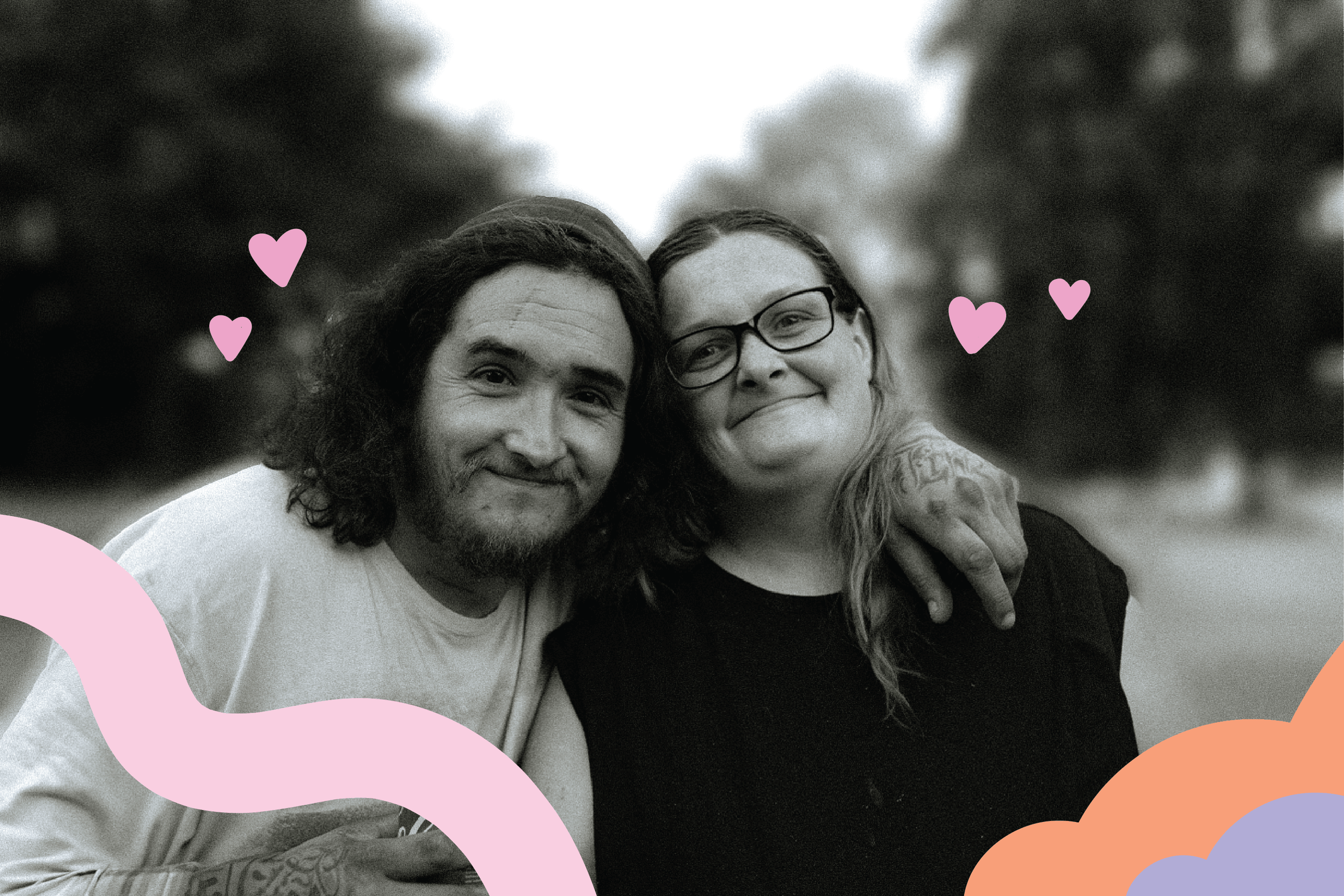
Then came one of his biggest joys: he and his long-time partner, Tiff, welcomed their first child together. Seeing Brett embrace fatherhood and take on the responsibilities that came with it was incredibly rewarding. For him, it wasn’t just about avoiding prison anymore—it was about building a life and future he could be proud of.
Brett’s journey with us at Choice Community Health has been filled with challenges, resilience, and growth. His story is a testament to the power of support, structure, and a community that stands by you, even in the roughest of times. Watching Brett achieve his goals and build a fulfilling life has been a privilege, and we’re proud to be part of his journey toward lasting change.
Many people carry trauma into community settings. Sometimes it’s visible, shaped by past violence, exclusion, or institutionalisation. Sometimes it’s quieter, woven into the body’s responses and a person’s sense of safety. This is why trauma-informed care is essential, especially in spaces designed to support recovery or inclusion.
Trauma-informed environments are built on trust, consistency, and choice. They acknowledge that safety is not just physical, but emotional. That empowerment comes not from being directed, but from being genuinely heard. And that healing is more likely to unfold when someone feels they can step forward at their own pace, with no pressure or judgement.
In practice, this might look like a support worker who checks in gently rather than pushing ahead. A group where participation is always optional. A culture where feedback is not only invited but acted on.
These moments send a message: you are safe here, and your voice matters.
When someone has spent years in environments where they felt powerless or invisible, this kind of respect can be deeply restorative. It’s not a fix. It’s a foundation—one that allows people to begin imagining what else might be possible.
Community doesn’t create recovery, but it can support it. And when people feel safe, valued, and connected, it can become easier to rediscover parts of themselves that had gone quiet.
At Choice Community Health, we’ve witnessed people take gentle steps toward connection, often after long periods of silence or withdrawal. One person who had experienced significant trauma began attending art sessions, choosing first to observe, and later to lead. Another, living with persistent mental health challenges, began mentoring peers after years of thinking they had nothing left to offer.
These stories don’t represent everyone’s path. Not everyone wants group settings. Some people find strength in quiet or solitude. But for those who are curious about connection, and unsure if they belong , Our role is to make sure the door is open, and the invitation is real.
Recovery, for many, is supported by community. Not defined by it, and certainly not dependent on it—but strengthened by knowing they don’t have to walk alone.
Theories like social capital and trauma-informed care offer insight into how communities can hold space for healing. They show us that connection doesn’t have to be loud, and growth doesn’t have to be linear.
They remind us to ask better questions: not “What’s wrong with you?” but “What does support look like for you right now?” Not “How do we fix this?” but “How do we walk with you, at your pace?”
When people are given real choice and consistent care, they often begin to take risks again. Not just the risk of attending a group, but the deeper risk of believing they matter.
That is where purpose often begins to take root.